MINSA Says Only 28 Percent of Panamanian Mothers Maintain Exclusive Breastfeeding
PANAMA CITY, August 1, 2026 – Only 28 percent of Panamanian mothers maintain exclusive breastfeeding during the first six months of a baby life, according to figures highlighted by health authorities at the start of World Breastfeeding Week 2026.
TVN Noticias reported that the Ministry of Health opened the campaign for August 1 to 7 under a message focused on strengthening actions that work in support of breastfeeding in all circumstances.
Health officials said increasing exclusive breastfeeding could reduce respiratory and gastrointestinal infections among children and lower infant morbidity. The campaign frames breastfeeding as a safe, complete and natural form of nutrition during the first six months.
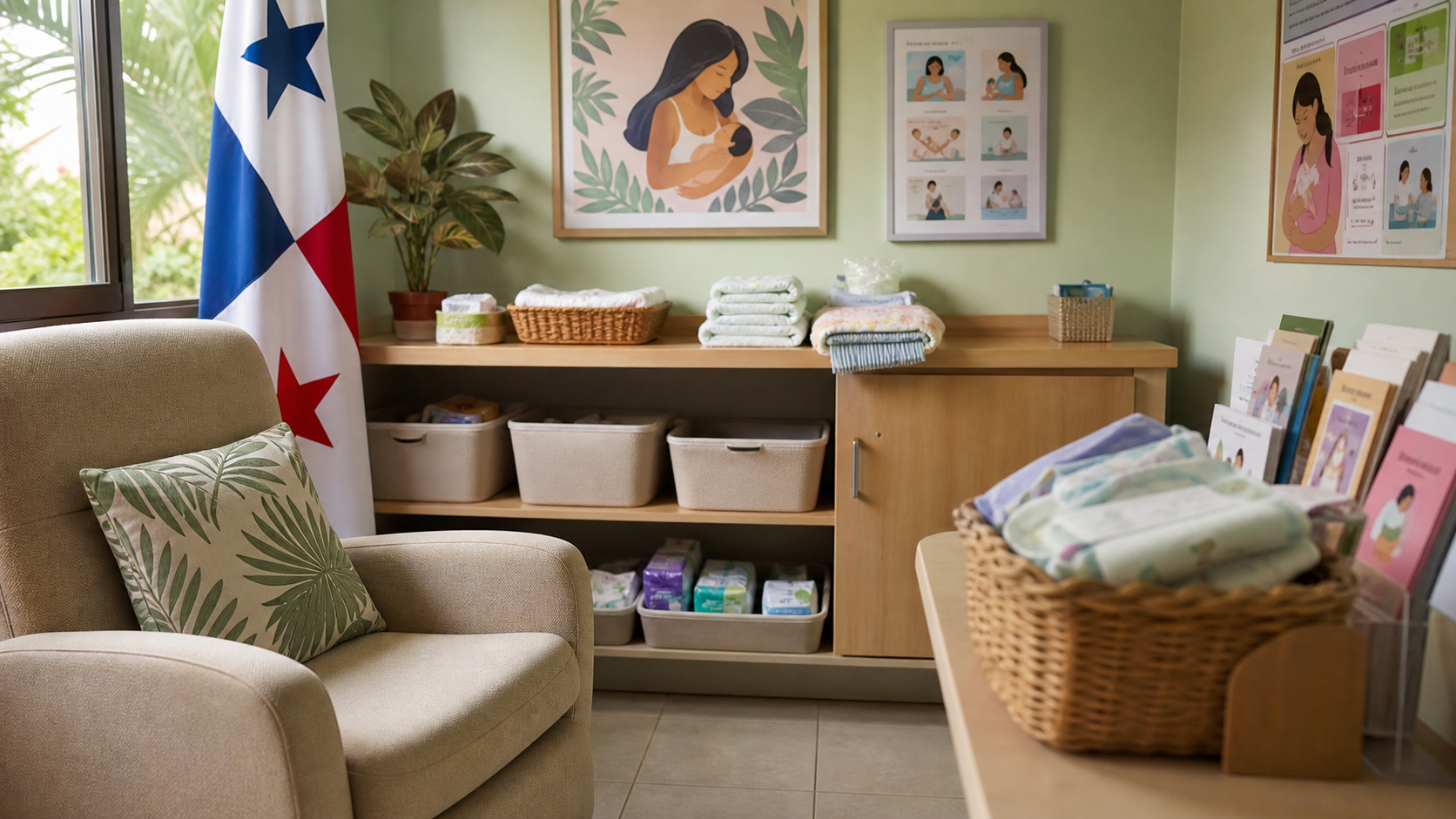
The director of Hospital del Nino, Paul Gallardo, called for more workplace lactation rooms and conditions that allow mothers to breastfeed or express milk during the workday, according to TVN.
Panama currently has human milk banks at Hospital del Nino Dr. Jose Renan Esquivel, Hospital Jose Domingo de Obaldia and Ciudad de la Salud. Health Minister Fernando Boyd Galindo also announced plans to promote new pasteurized human milk banks in Dr. Gustavo Nelson Collado Hospital and Dr. Luis Chicho Fabrega Hospital.
Authorities urged pregnant women and breastfeeding mothers to attend medical controls, keep vaccinations current and use exclusive breastfeeding as a major strategy for early childhood health.
Why it matters
Breastfeeding rates affect infant health, workplace policy, hospital support systems and nutrition outcomes for newborns.
What happens next
MINSA will run World Breastfeeding Week activities through August 7 while pushing for wider support infrastructure and milk-bank coverage.