

Panama’s Public Ministry Warns of Fake Summons and Arrest Orders Used in Scams
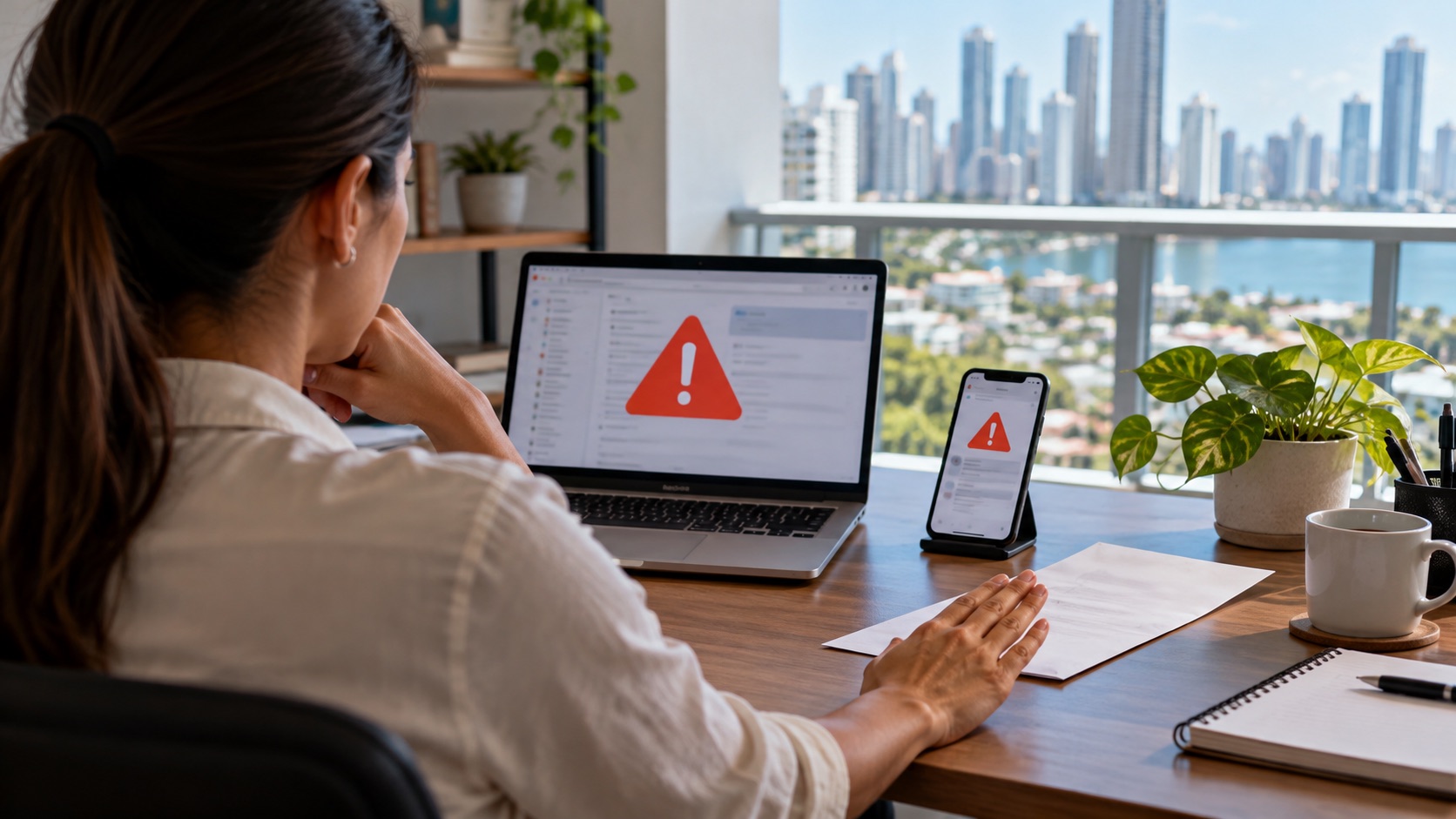
PANAMA, October 30, 2026 — Panama’s Public Ministry has warned that false summonses, arrest orders and notifications are being used in attempts to intimidate people and commit fraud. The documents may misuse the institution’s name, logos or seals to appear credible.
The key point: official authorities do not demand payment this way
The warning is direct: the Public Ministry does not request payments, bank transfers or deposits through phone calls, text messages, social networks or email. A message that pressures someone to pay immediately in order to avoid arrest, close a case or validate a document should be treated as suspicious until it has been independently verified.
Scams often work by creating urgency. A fake notice may look formal, include personal information or use alarming legal language. None of those features alone makes it authentic.
What to do if you receive a suspicious notice
Do not send money and do not disclose banking, identity or login information. Preserve the evidence: keep the document, email, phone number, screenshots and any conversation. Then contact the Public Ministry through an official channel to verify whether a notice is genuine, and make a complaint if a scam attempt is involved.
People should be especially careful if a message asks them to move the conversation to a private chat, pay through a personal account, use a link that does not belong to an official institution, or act within minutes. These are common pressure tactics, not proof of a legal obligation.
Why verification protects more than one person
Reporting a fraud attempt can help investigators identify patterns, accounts and numbers that may be used against others. It is also safer to verify directly than to reply to the contact information printed in a suspicious document, because that information may itself belong to the scammer.
This article is public-safety information, not legal advice. Anyone with a real court or prosecutorial matter should use official channels or seek qualified legal guidance.
Source: Telemetro Reporta, reporting the Public Ministry alert.