Panama Canal Maintains Transits While Applying Draft Adjustments
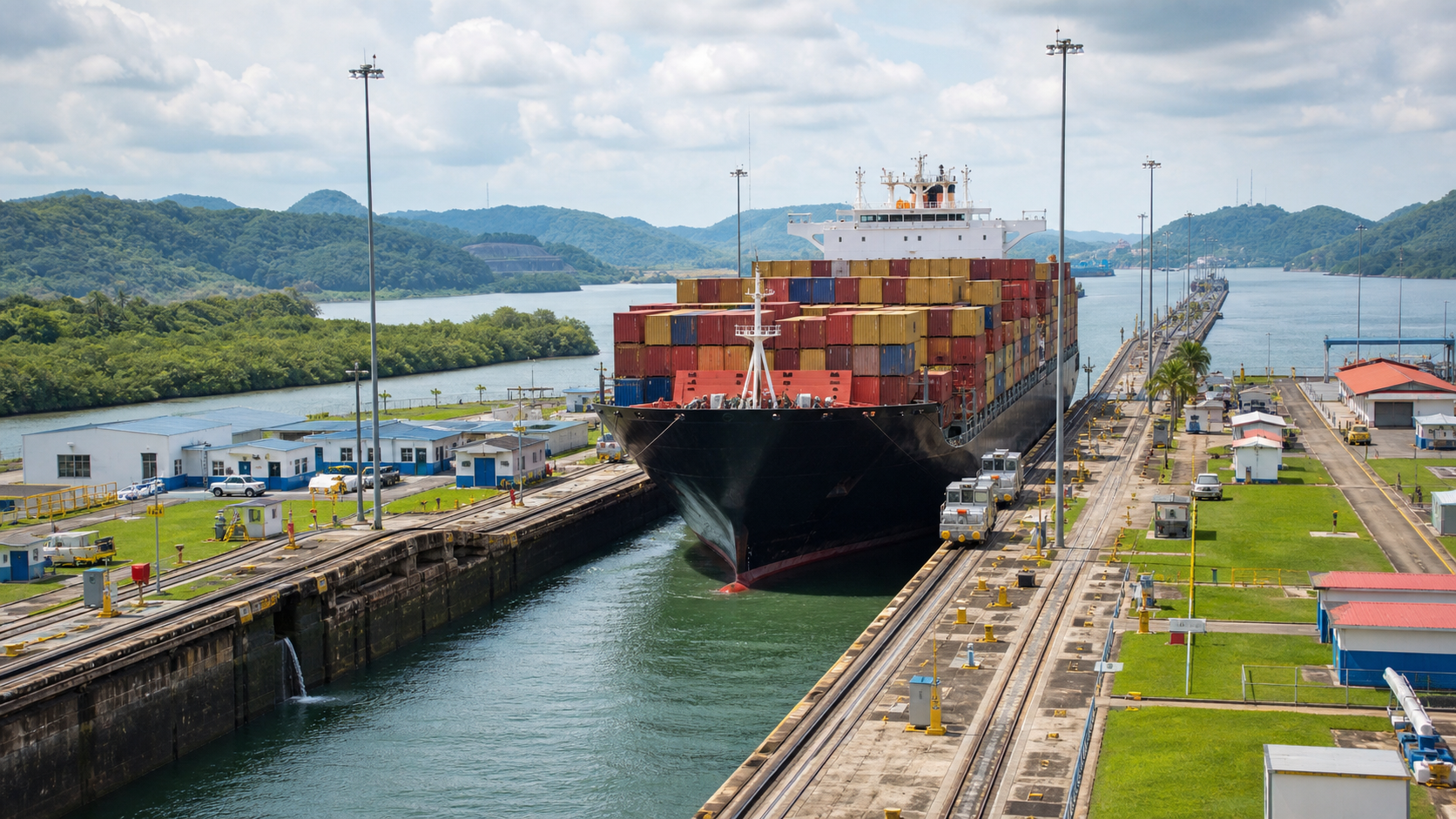
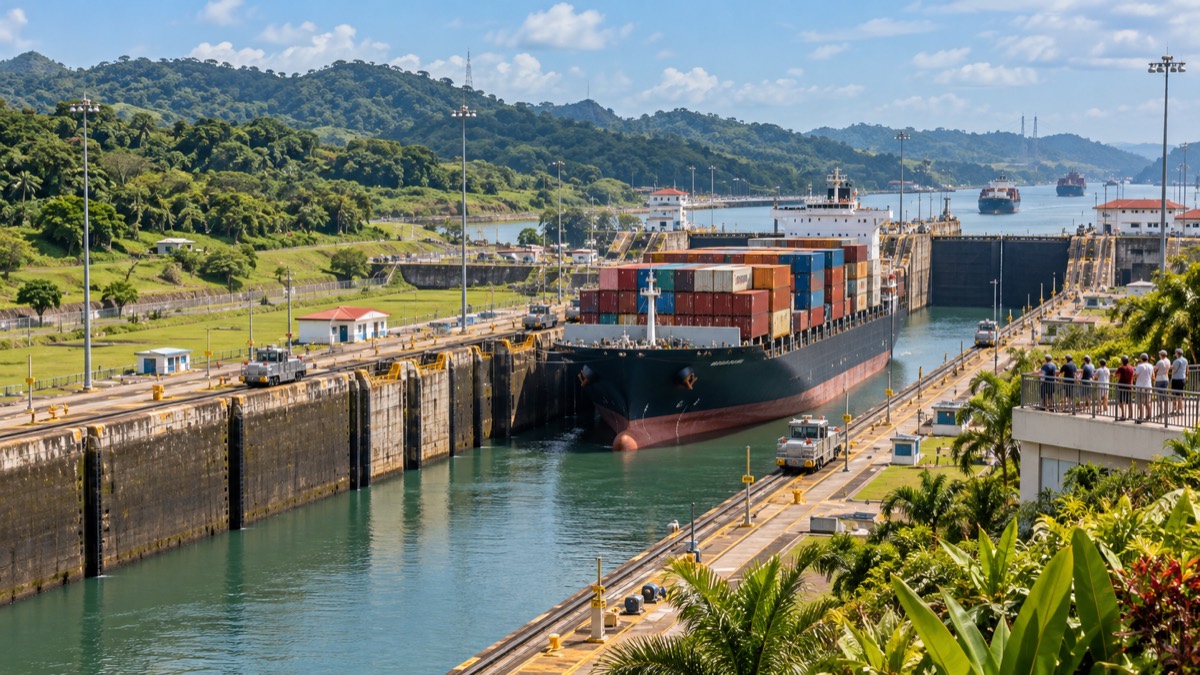
PANAMA CITY, July 18, 2026 – The Panama Canal is maintaining transit volumes for now while applying draft adjustments as part of its response to water pressures linked to El Nino.
Canal affairs minister Jose Ramon Icaza said the waterway is monitoring weather and reservoir conditions closely and applying operational measures to use water more efficiently. According to the report, three draft adjustments had been announced, with one already in effect, while a reduction in daily transits was not planned in the immediate term.
For carriers, draft changes matter because they determine how heavily ships can be loaded when crossing the waterway. Even when the number of transits remains stable, limits on draft can affect cargo planning, route economics and supply-chain schedules. That makes the Canal’s advisories essential reading for shippers moving through Panama during periods of climate stress.
The Panama Canal Authority’s shipping advisories show July 2026 adjustments for Neopanamax locks, reinforcing that the Canal is preparing operationally while trying to preserve reliability. The balance is delicate: protect water reserves while keeping one of the world’s most important trade routes moving.
Why it matters
The Canal is a core source of national revenue and a central artery of global trade. Any change in draft, booking or transit capacity can ripple beyond Panama into regional logistics, ports, shipping contracts and consumer supply chains.
What happens next
Shippers will be watching reservoir levels, rainfall, El Nino forecasts and new Canal advisories. If water pressure intensifies, further operational changes could still be considered, but officials are currently emphasizing efficiency measures rather than transit cuts.