Panama’s Whale Season Is a Reminder That Great Wildlife Viewing Begins With Respect
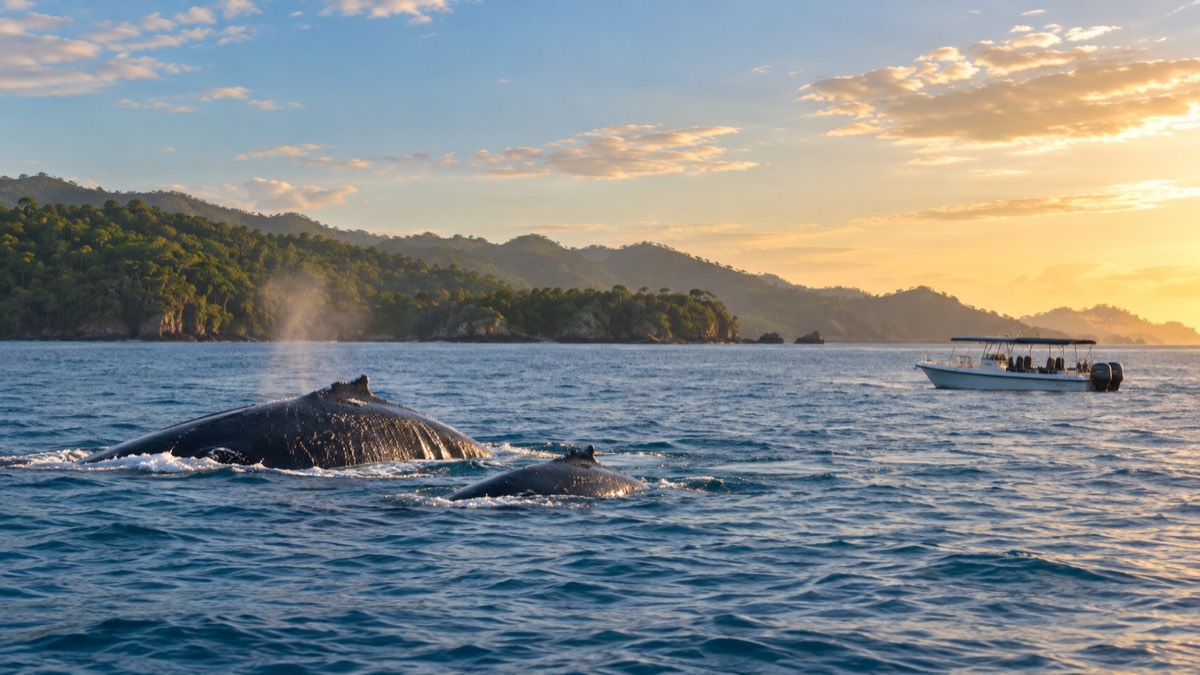
PANAMA, October 14, 2026 — Panama’s Pacific whale season, which typically sees heightened whale presence between July and October, offers one of the country’s most remarkable nature experiences. It also carries a simple responsibility: the welfare of the animals must come before the perfect photograph.
MiAMBIENTE has reminded operators and visitors that whale and dolphin observation rules are designed to reduce disturbance. Getting too close, pursuing an animal or cutting across its route can alter behavior and create risk for wildlife and people.
Watch, do not chase
Responsible viewing is built around patience. A good operator slows down, keeps a proper distance and gives animals room to choose their own path. Visitors should be cautious of trips that promise guaranteed close encounters; wildlife is not a staged attraction and responsible guides cannot control where an animal will surface.
Why the rules protect the experience
Respectful practices support the animals’ rest, feeding and care of calves, according to the Ministry of Environment. They also make the experience more authentic: a quiet boat and an unhurried group are better able to observe natural behavior than one that crowds a pod.
Choosing a better outing
Before booking, travelers can ask operators about their wildlife protocol, group size and how they respond when whales approach. They should keep waste on board, avoid feeding wildlife and follow crew instructions. These small choices help protect a season that supports both Panama’s marine heritage and its nature-tourism economy.
Source: MiAMBIENTE. Featured image is an illustrative AI-generated visual.