The Gulf of Chiriquí Is a Lesson in Islands, Tides and Pacific Ecology
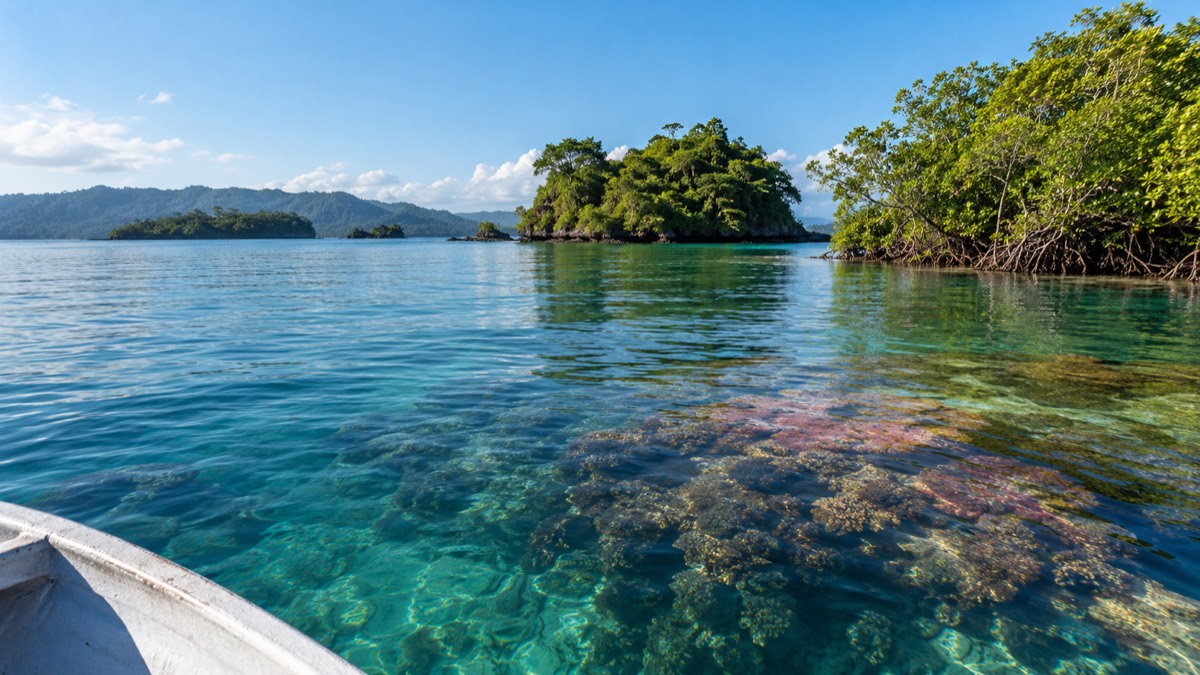
GULF OF CHIRIQUÍ, October 19, 2026 — The Gulf of Chiriquí is defined by transitions. A boat passes mangrove edges, low islands and coral-rich water; a beach changes shape with the tide; a clear morning can turn into a different kind of afternoon at sea. That variability is part of the place, not an inconvenience to be planned away.
Tourism Panama identifies the gulf as a Pacific region of islands, vegetation and coral reefs. The useful takeaway is ecological rather than promotional: water, weather and habitat set the terms for any day on the gulf.
Read the tide before the timetable
Skippers and coastal guides know when a route, landing or snorkel stop is suitable. Their advice should lead. Check the forecast, arrive prepared for sun and rain, and understand that a changed plan can be the best outcome when sea conditions shift.
Small actions protect a large system
Do not stand on coral, chase marine animals or leave food and plastic on an island. Take waste ashore and use approved landing areas. These are simple standards, but they protect a coast whose appeal depends on the health of its water and shorelines.
Look beyond the horizon
The gulf is more interesting when attention moves from a single beach to the connections among tide, reef, mangrove and island. That is the kind of Pacific story visitors can carry home accurately.
Source: Tourism Panama. Featured image is an illustrative AI-generated visual.