
Serious Environmental Compliance Concerns Regarding the NaturaBocas Development in Bocas del Toro, Panama
“READER EDITORIAL CONTRIBUTION“
There are several major areas of concern regarding the environmental compliance of the NaturaBocas development, a five-story hotel constructed over the water in Bocas del Toro. These concerns involve the classification of the project’s Environmental Impact Study, the authorization of temporary fill over the seabed, the failure to adequately contain and remove that fill, and the adequacy of the proposed remediation plan.
Based on the available documentation and observed conditions, these issues warrant urgent review by the competent environmental and maritime authorities.
1. Approval of a Category I Environmental Impact Study
The NaturaBocas project was approved on the basis of a Category I Environmental Impact Study. Given the scale and nature of a five-story commercial hotel constructed over the water, the adequacy of this environmental classification raises serious questions.
Category I studies are intended for projects expected to have minimal environmental impacts. More complex developments may require a Category II or Category III study, depending on their characteristics, location, potential impacts, and the applicable environmental assessment criteria.
The construction of a substantial overwater hotel raises questions about potential impacts on the seabed, marine habitats, water quality, and surrounding coastal ecosystems. These potential impacts should have been carefully evaluated before the project was authorized.
The central question is whether a Category I study was legally sufficient for a development of this scale and whether the appropriate environmental assessment requirements were followed. The relevant approvals and the applicable regulatory criteria should be independently examined.
2. Authorization of Temporary Fill Over the Seabed
A permit was reportedly requested and approved by the Municipal Engineer for the installation of temporary fill over the water in connection with the NaturaBocas project.
However, activities involving the seabed and maritime areas may require authorizations from competent national authorities in addition to municipal approval. The relevant authorities include:
- MiAmbiente — the Ministry of Environment of Panama.
- Autoridad Marítima de Panamá (AMP) — the Panama Maritime Authority.
- ANATI — the National Land Administration Authority.
Based on the information currently available to us, applications for the necessary authorizations were not submitted to these agencies before the municipal permit was issued.
This raises a fundamental question: On what legal basis was the installation of fill over the seabed authorized, and were all required national approvals obtained before the work began?
The relevant permit records and agency files should be examined to establish whether the required applications and authorizations existed and whether the municipal approval complied with applicable law.
3. Failure to Adequately Contain and Remove the Temporary Fill
In 2024, the Regional Director of MiAmbiente issued a communication addressing the NaturaBocas project and its environmental obligations. That document raises significant concerns about the handling, containment, and removal of the temporary fill.
Of particular concern is the absence, before installation, of what we understand to be an engineered system capable of securely containing the fill. Pieces of leftover piling pipe were reportedly placed in the area, but geotextile fabric was not installed as part of would have been a very ineffective containment system.
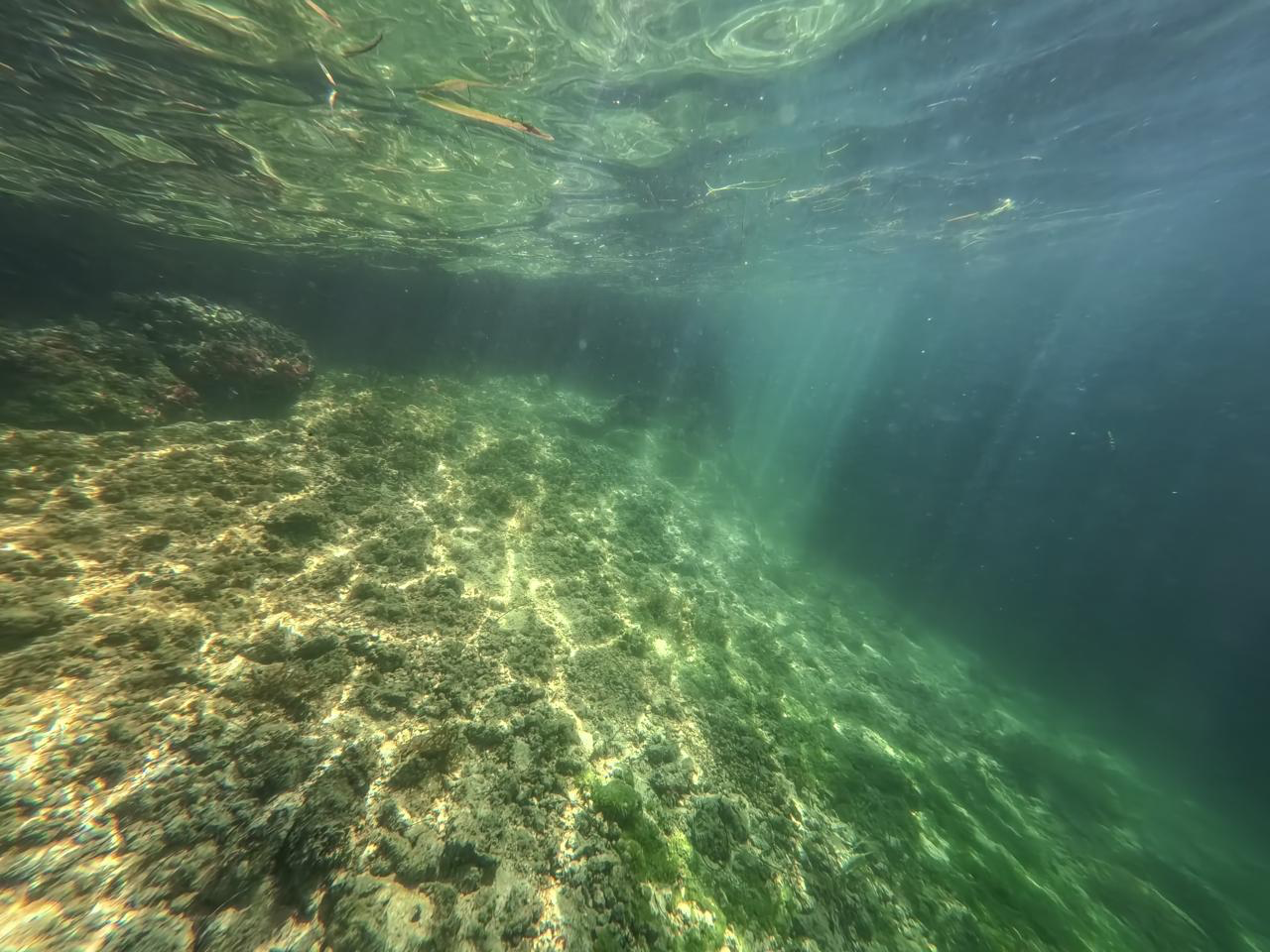
Without adequate containment, fill material has eroded beyond the construction boundaries and into the surrounding marine environment. This erosion has continued, with damage to the seabed and marine habitat.
The measures undertaken by NaturaBocas to contain and remove the material appear insufficient to address the scale of the problem. The continuing presence and movement of fill raise serious concerns about the effectiveness of the project’s environmental controls and the protection of the surrounding ecosystem.
More than two years have passed since the 2024 communication from the Regional Director. The extent to which the identified problems have been corrected, and the extent to which the project’s environmental obligations have been fulfilled, should be independently verified.
The issue is not simply whether some remedial work has been attempted. It is whether the fill has been securely contained, whether material that escaped the construction area has been addressed, and whether the seabed and surrounding habitat are being adequately protected.
4. Concerns Regarding the Proposed Remediation Plan
On September 10, NaturaBocas submitted a proposed remediation plan. As we understand it, the proposal relies on manual labor, shovels, and wheelbarrows to remove fill from areas where the seabed is approximately 15 feet underwater.
We question whether this method is technically adequate to remove the material safely and effectively, particularly in areas where the fill has spread beyond the original construction footprint.
In our assessment, an effective remediation operation would require a properly engineered containment strategy to prevent further dispersal of the fill during removal. One potential approach for technical evaluation would involve installing a secure sheet-piling perimeter, followed by the controlled removal of accumulated material using suitable dredging equipment, potentially including suction dredging.
The appropriate method must be determined by qualified professionals and reviewed by the competent authorities. Any remediation plan should establish measurable objectives, a realistic timetable, appropriate environmental safeguards, and a method for independently verifying the results.
A plan that cannot effectively contain and remove the material will not resolve the underlying environmental problem.
5. Immediate Action Is Needed
The environmental concerns surrounding the NaturaBocas development cannot be treated as minor construction issues. They involve questions about environmental assessment, authorization of activities over the seabed, containment of fill, and the effectiveness of proposed corrective measures.
We therefore call on the competent authorities to:
- Review the environmental approval to determine whether the Category I classification was appropriate for the project.
- Verify the required permits and authorizations, including whether the relevant national agencies approved the installation of fill over the seabed before the work began.
- Inspect and document the extent of the fill and environmental damage, including material that has migrated beyond the construction boundaries.
- Require an effective, technically sound remediation plan with enforceable deadlines, appropriate containment measures, and independent verification of completion.
- Suspend the activities responsible for ongoing environmental harm, and consider suspending further construction until the relevant compliance issues have been resolved, in accordance with the law.
Conclusion
The NaturaBocas development raises serious questions about environmental oversight and compliance in Bocas del Toro. The continued erosion of fill into the surrounding marine environment, the passage of more than two years since the 2024 communication, and the apparent inadequacy of the proposed remediation approach demand a substantive response.
The priority must be to stop further environmental damage, establish the full extent of the affected area, and ensure that remediation is effective rather than merely procedural.
We call for a transparent investigation, enforcement of all applicable environmental requirements, and a halt to activities that threaten the marine environment until the outstanding compliance and remediation issues have been satisfactorily resolved.