Interesting Delve into the “Truly Local” areas of PANAMA.
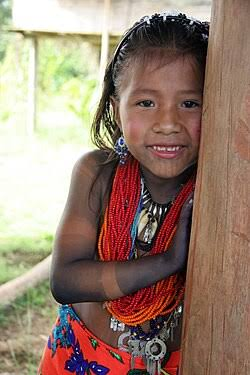
Emberá Druá is an example of how indigenous peoples can lead sustainable tourism projects, contributing to economic development without giving up their identity or compromising the conservation of Chagres National Park
- https://www.youtube.com/embed/0UIBv-_9ldE?autoplay=1&mute=1&wmode=transparent&showinfo=0&theme=light
Innocent laughter drifted from the river: a group of children were playing on an inflatable to see how fast they could reach the shore. The scene repeated itself again and again. It was enviable; that day the temperatures and humidity were high due to the heat, despite the recent rain. These children used the traditional method they knew best to cool off.
Their access is unique because they are indigenous people from the Emberá Druá community, which is settled on the banks of the Chagres River, in the heart of Chagres National Park. This natural resource is nourished by mature forests, which represent 88.6% of the entire Panama Canal Watershed.
The Emberá Druá community has established itself as a model of coexistence between tradition and sustainable development. La Estrella de Panamá traveled to learn about the history of this community. We departed from Panama City, a 45-60 minute drive to the port of Corotú in Caimitillo, North Panama.
Once at the port, we met Benjamín, a member of the Emberá Druá community, to embark on the approximately one-hour canoe trip. Wearing his traditional loincloth and carrying a staff, he guided his companion through the river’s currents. Communication required only a few whistles or hand signals.
Once inside the forest network, Benjamin took the opportunity to explain how they use these benefits to carry out cultural and nature tourism activities, giving visitors a glimpse into their history as a community and showing how their culture guarantees the sustainability and development of their environment.
As we traveled further, we began to see wattle-and-daub houses hidden among the trees, canoes anchored along the riverbanks, and Indigenous families living nearby. According to the Ministry of the Environment, there are more than 25 rural communities within the park, seven of which are Emberá Indigenous communities. Currently, there are 13 Community-Based Organizations (CBOs) within the park and seven more in the buffer zone. Each organization focuses on various environmental projects such as beekeeping, visitor management, birdwatching, agroforestry, and other ecotourism-related activities.History and culture
The community leader, Mateo Mecha Ruiz, recalls that the first settlements were on the banks of the Chagres River, where the Emberá families found a space to keep their customs alive.
Language, music with drums and flutes, traditional dances, and the crafting of handicrafts from natural fibers are essential parts of the daily lives of these people. These elements not only preserve their cultural identity but have also become the foundation of a tourism model that seeks to share their ancestral heritage without endangering the environment. “We want our visitors to understand that our way of life depends on the health of the forest and the river,” she says.
The community understands that its culture is also its greatest attraction. Each visit becomes an opportunity to showcase the beauty of its traditions to the world: from gastronomy—considered a source of health and well-being—to ancestral games—such as archery and spear throwing—all are part of the tourist packages offered.Development engine
Aware that they live in a protected area, the Emberá have designed a tourism model that respects environmental boundaries. Visitors arrive in handcrafted canoes built by the men of the community and are welcomed with cultural presentations, guided tours, and craft workshops.
For the Emberá, tourism is not only a source of income, but an educational tool that allows visitors to understand the importance of conserving the rainforest and to value indigenous culture.
Andrea Lino Mansi, former tourism president and current technical advisor, emphasizes that the Emberá Druá community was a pioneer in opening the doors to indigenous tourism in Panama. “Tourism originated here, not for family interests, but as sustainable tourism for the entire community,” she states.
Andrea recalls how the community went from keeping records in notebooks and using beepers to communicate, to organizing themselves into cooperatives and using social media to promote their culture.
Thanks to projects led by women and internet access via Starlink, the Emberá Druá community keeps its Instagram account active and manages to attract national and international visitors.
“Tourism has been our university. It has taught us how to treat people, how to organize ourselves, and how to use resources sustainably without destroying the forest,” Andrea points out.Organization
Daily life in the Emberá Druá community is characterized by collective organization. Each member fulfills a role: gastronomy, dance, music, cleaning, or logistics. When there are no tourists, they dedicate themselves to trail maintenance, beach cleaning, and plastic recycling.
The crafts, made with natural fibers and sustainably sourced wood, have become an economic and educational engine. Andrea emphasizes that thanks to the income she earned, she was able to complete studies in environmental conservation and indigenous rights, demonstrating how tourism can be a tool for personal and community development.Andrea Lino MansiFormer tourism presidentTourism has been our university. It has taught us how to treat people, how to organize ourselves, and how to use resources sustainably without destroying the forest.”Mateo Mecha RuizCommunity leaderWe want those who visit us to understand that our way of life depends on the health of the forest and the river.”