
China Rejects U.S. Claims of Maritime Coercion Involving Panama
PANAMA CITY, July 15, 2026 – China again rejected U.S. claims of maritime coercion involving Panama, according to a July 15 report by The Maritime Executive, keeping the canal and port debate at the center of regional geopolitics.
The latest exchange underscores how Panama’s strategic position continues to draw pressure from both Washington and Beijing. The canal is operated by Panama, but the surrounding maritime economy remains deeply exposed to international politics, shipping interests and security narratives.
U.S. officials have repeatedly raised concerns about Chinese influence in maritime infrastructure around the canal. China has denied those claims and has pushed back against allegations that its activity amounts to coercion.
For Panama, the issue is not academic. The country must protect its sovereignty while maintaining investor confidence, shipping continuity and diplomatic balance. Any perception that the canal or its adjacent ports are being pulled into a great-power fight can carry commercial consequences.
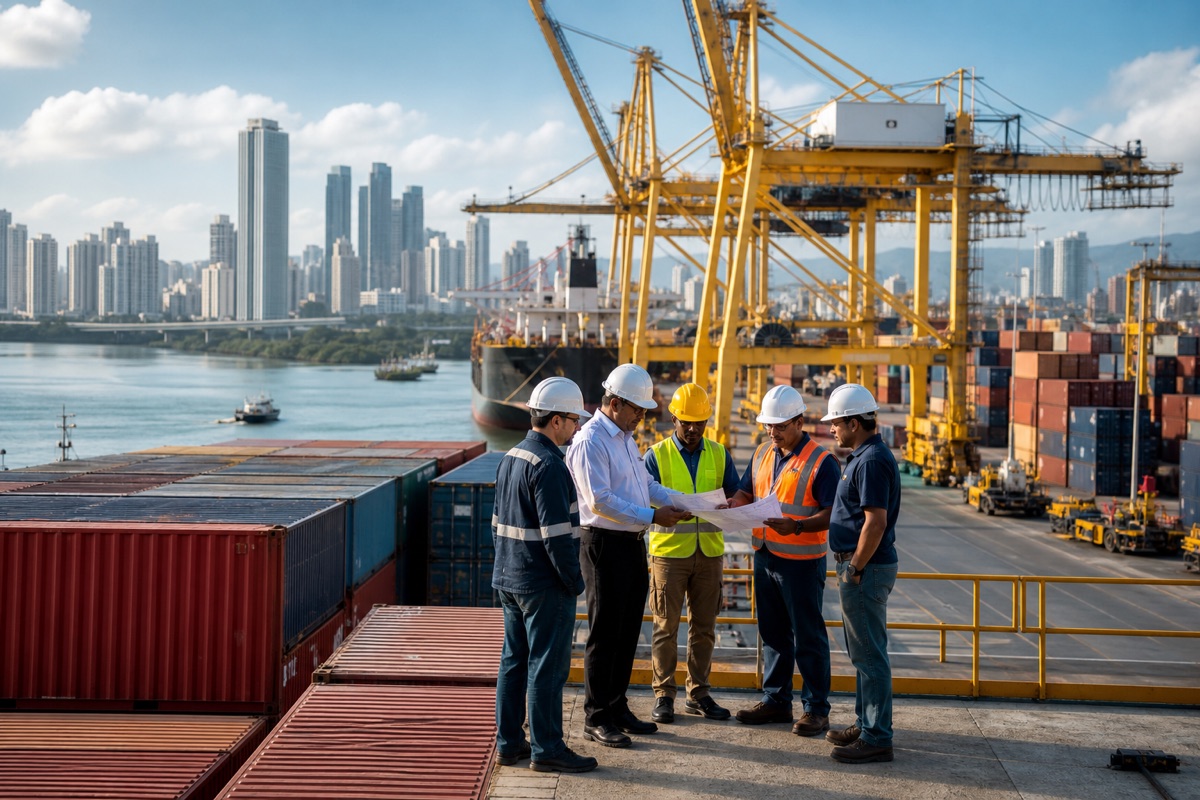
The discussion also follows earlier controversy over port concessions and the role of foreign-linked operators at both ends of the canal. Those disputes turned Panama’s legal and commercial decisions into a matter of international scrutiny.
Panamanian officials have consistently emphasized that the canal is a national asset and that its operation is not controlled by any outside power. Still, the latest rhetoric shows that the political argument around the waterway is likely to remain alive well beyond any single court ruling or contract dispute.
What happens next
The next pressure point will be whether diplomatic statements translate into new policy moves, port reviews, security agreements or commercial restrictions affecting canal-adjacent logistics.