
MINSA to Begin Monoclonal Protection Against RSV for Pregnant Women
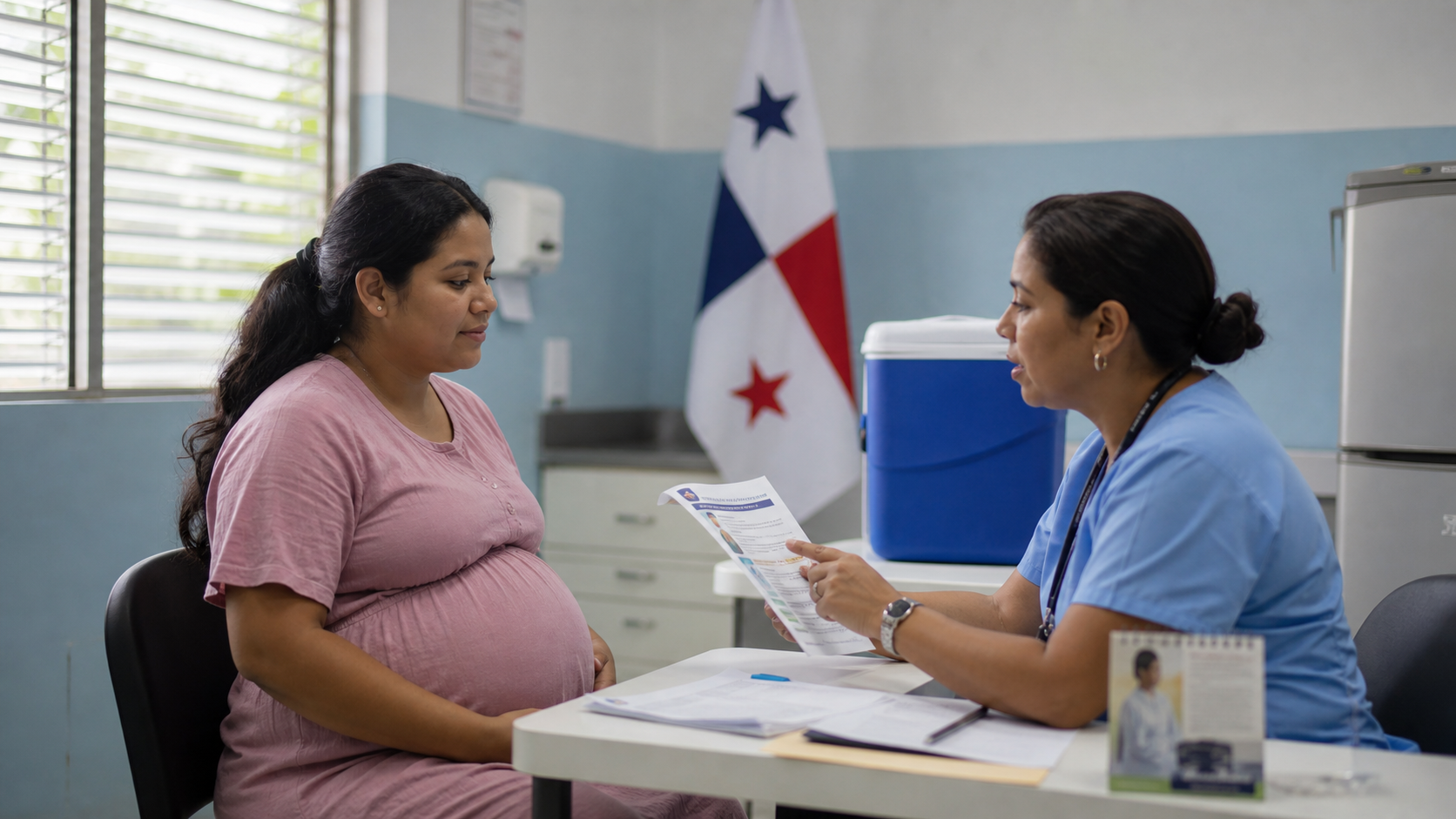
PANAMA CITY, August 4, 2026 – Panama Ministry of Health plans to begin applying monoclonal protection against respiratory syncytial virus at the end of August, focusing on pregnant women from week 30 of gestation.
Telemetro reported that Itzel de Hewitt, national head of the Expanded Immunization Program, said the strategy is intended to increase coverage against RSV and protect newborns during a period of concern over respiratory infections.
The announcement follows recent public-health warnings about RSV and child hospitalizations in Panama. Health authorities have urged early attention to respiratory warning signs and stronger prevention for infants and pregnant women.
The confirmed details are limited to the start period, the target group and the reason for the program. The policy signal, however, is clear: MINSA is shifting from warning messages toward a specific preventive intervention.
Respiratory syncytial virus can be especially dangerous for babies and very young children. For pregnant women, prevention policies are meant to help protect infants before they are old enough for many other defenses.
The rollout will be watched by hospitals, pediatric specialists and parents because access, eligibility and distribution logistics will determine how quickly the measure reaches the population.
Why it matters
The program directly affects newborn health, maternal care and Panama response to the current respiratory-virus season.
What happens next
MINSA is expected to provide additional operational details before the end-of-August start, including where and how eligible pregnant women can receive the protection.