Panama Climate Commission Moves Into Permanent Session
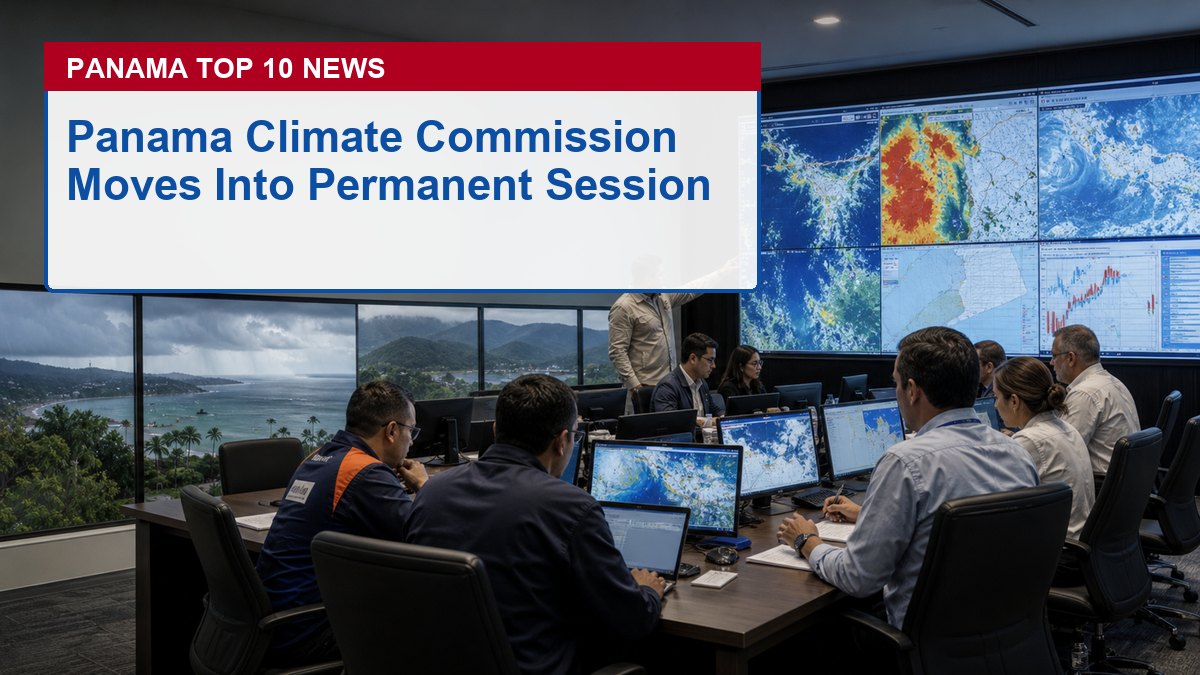

Panama’s high-level interinstitutional commission for confronting the effects of El Niño has declared itself in permanent session, according to a report indexed Friday by Google News
PANAMA CITY, July 17, 2026 – Panama’s high-level interinstitutional commission for confronting the effects of El Niño has declared itself in permanent session, according to a report indexed Friday by Google News.
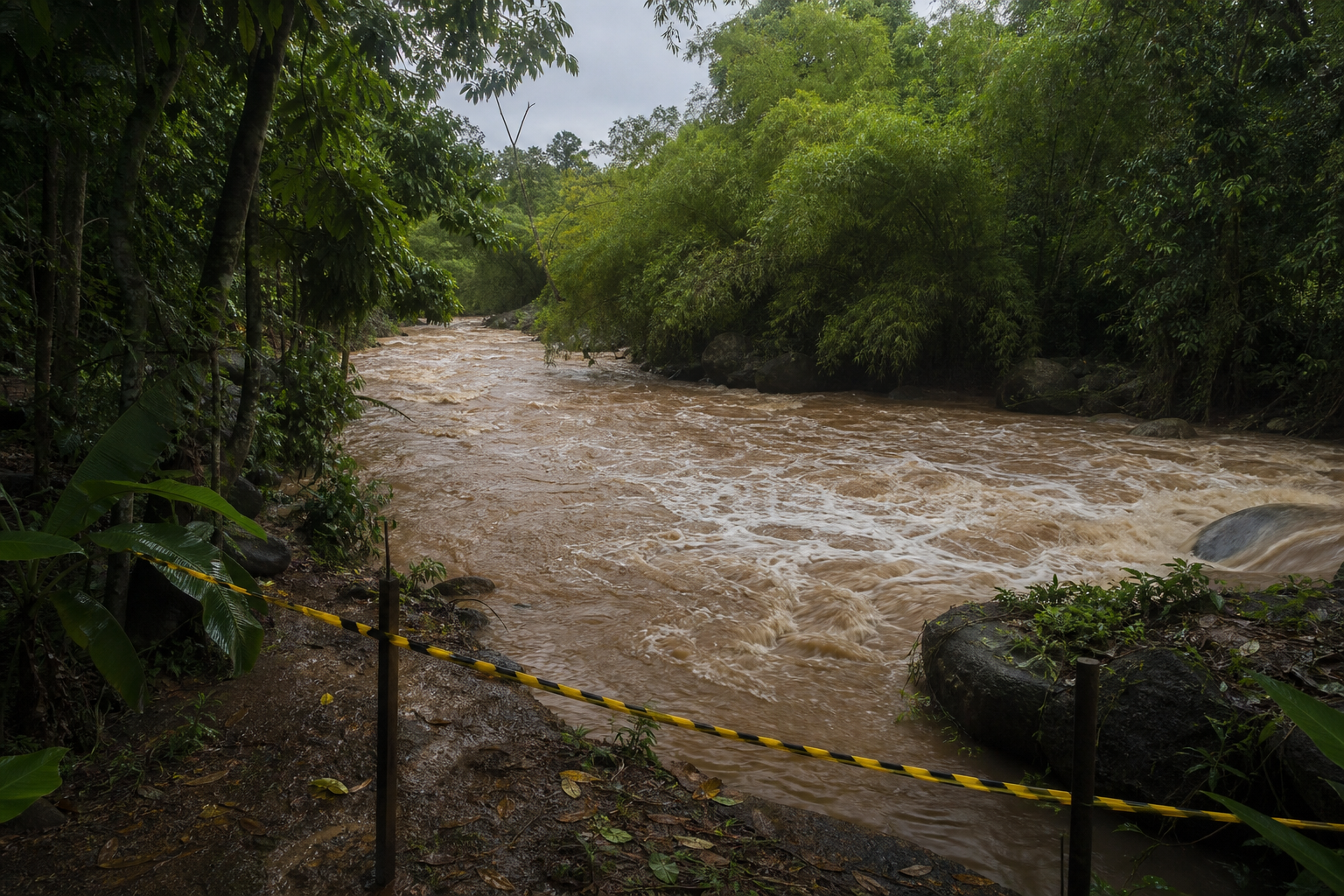
The move signals that weather risk is no longer being treated as a short-term seasonal problem. El Niño-linked conditions can affect water supply, agriculture, energy planning, health, transportation and canal-related water management.
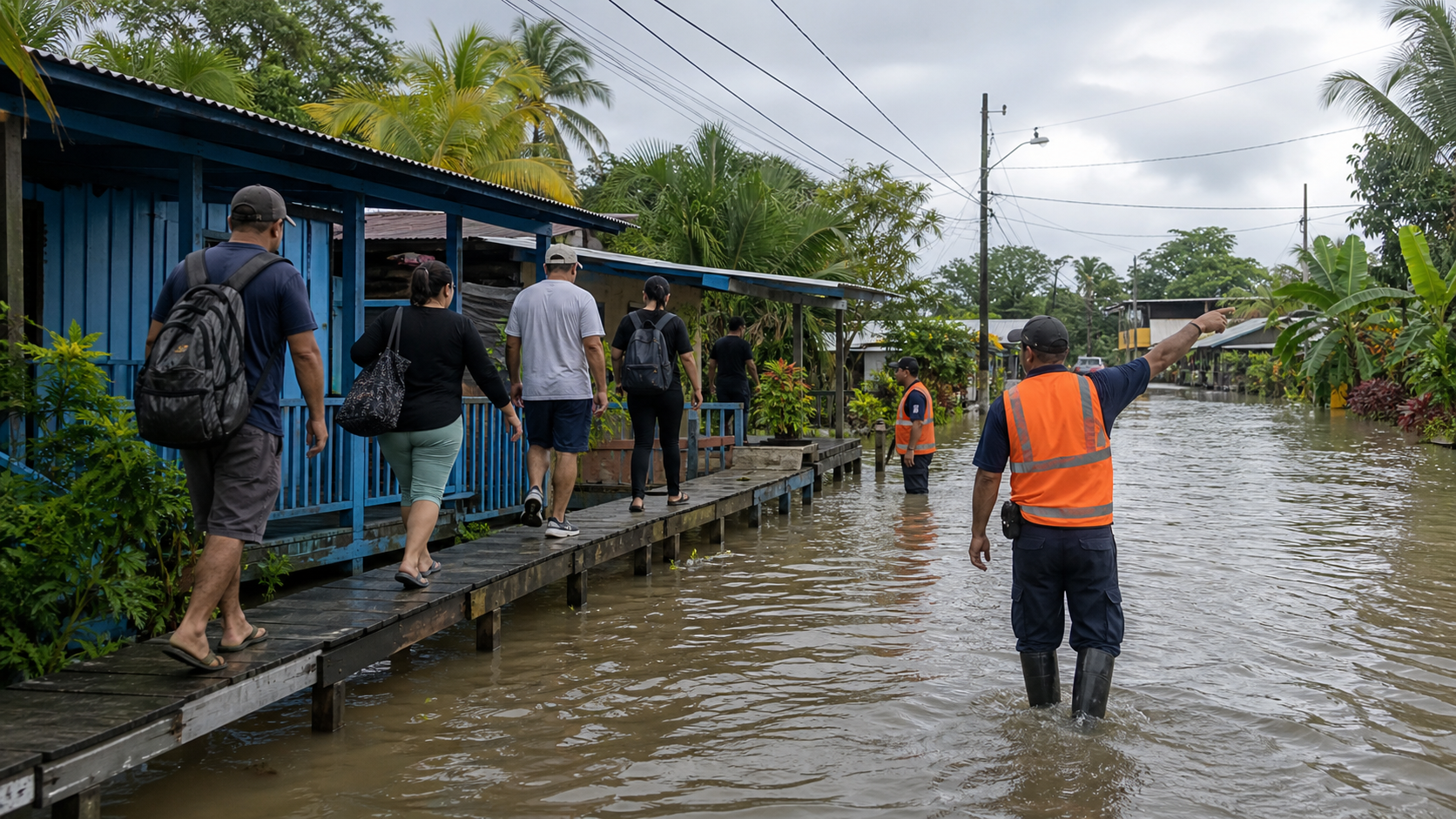
A permanent session allows agencies to coordinate more frequently and respond faster as conditions change. In Panama, that coordination can involve weather monitoring, agricultural support, reservoir planning, emergency preparedness and public communication.
The decision comes as different sectors are already reporting climate pressure. Dairy producers, farmers and water managers have all faced conditions that make production and planning more difficult.
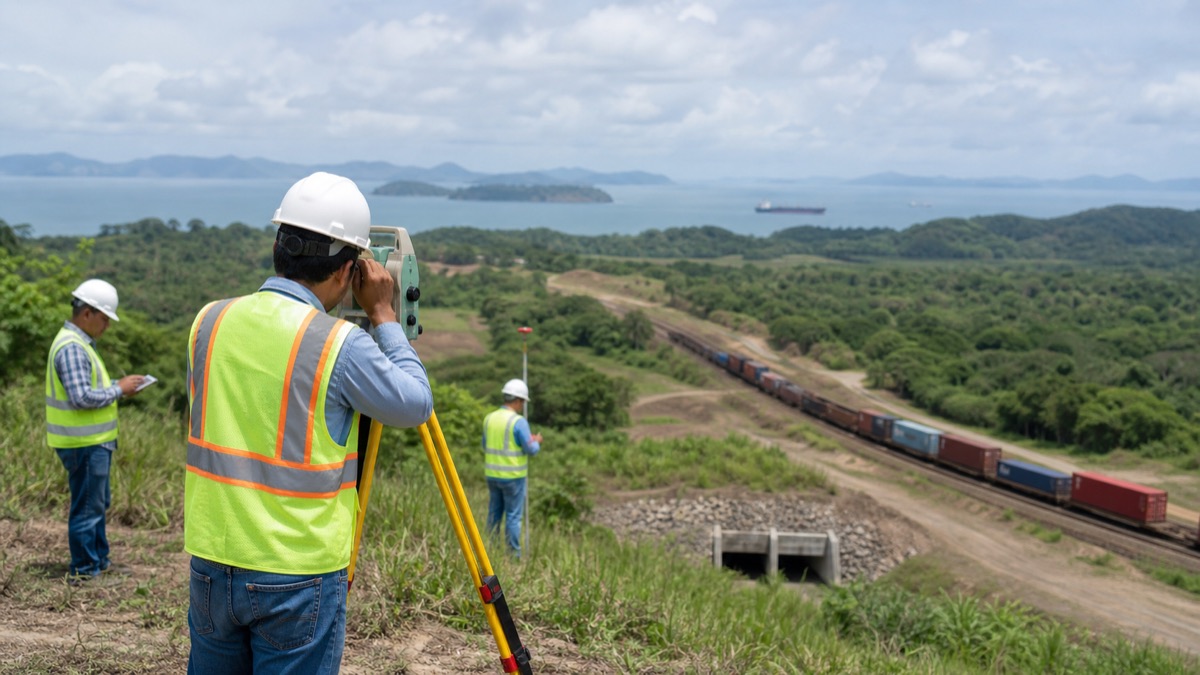
Panama’s vulnerability is partly geographic. The country depends on rainfall patterns for agriculture, hydroelectric production, drinking water and the canal watershed. Shifts in rainfall can therefore become economic and strategic issues.
The value of the commission will depend on whether it can move from meetings to decisions. Forecasts, alerts and interagency tables matter only if they produce practical measures for affected communities and sectors.
What happens next
The coming weeks should show whether the permanent session leads to new guidance for farmers, water users, municipalities and infrastructure managers.