

Dengue Report Puts Veracruz, Puerto Pilon and Tocumen Among Hotspots
PANAMA CITY, July 31, 2026 – Panama has recorded 4,351 accumulated dengue cases through epidemiological week 27, according to the latest figures reported by TVN Noticias from the Ministry of Health Department of Epidemiology.
The report covers the week from July 5 to July 11, 2026. Of the accumulated cases, 3,811 were classified without warning signs, 514 had warning signs and 26 were classified as severe dengue.
The Metropolitan Region reported the highest case total, with 1,216. Colon followed with 912, Panama Oeste with 411, San Miguelito with 364, Bocas del Toro with 349, Chiriqui with 311 and Panama Este with 234.
TVN reported 520 dengue-related hospitalizations so far this year and 13 deaths associated with the disease. Bocas del Toro and Los Santos each reported three deaths, while the Metropolitan Region reported two. Cocle, Colon, Panama Norte, Veraguas and Chiriqui reported one each.
Among corregimientos, Veracruz had 436 cases, Puerto Pilon had 213 and Tocumen had 209. Other areas with high totals included 24 de Diciembre, Cristobal Este, Sabanitas, Nueva Providencia and Burunga.
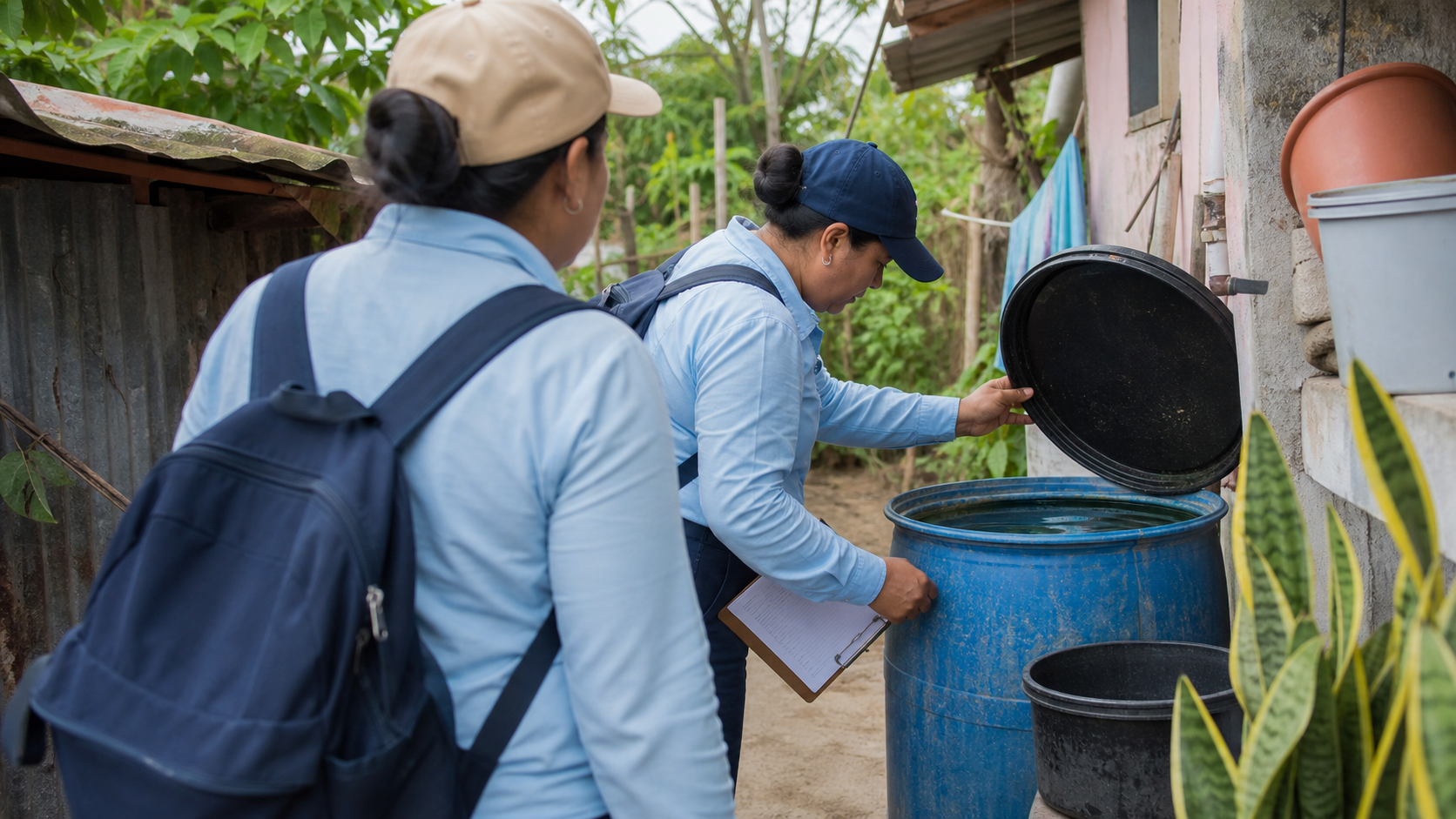
Health authorities said the trend has fallen in recent weeks but warned that transmission risk remains. MINSA continues vector-control work and urged residents to remove standing water, maintain domestic water containers and seek medical care promptly for fever, severe headache, general malaise or muscle pain.
Why it matters
Dengue surveillance affects household prevention, hospital readiness and public-health action in the communities reporting the highest totals.
What happens next
MINSA is expected to continue vector-control operations while residents are urged to eliminate breeding sites and avoid self-medication when symptoms appear.