Gap widens in Panama between the “Haves” and “Have Nots”
- By : James Bryson
- Category : Economy, Human Interest
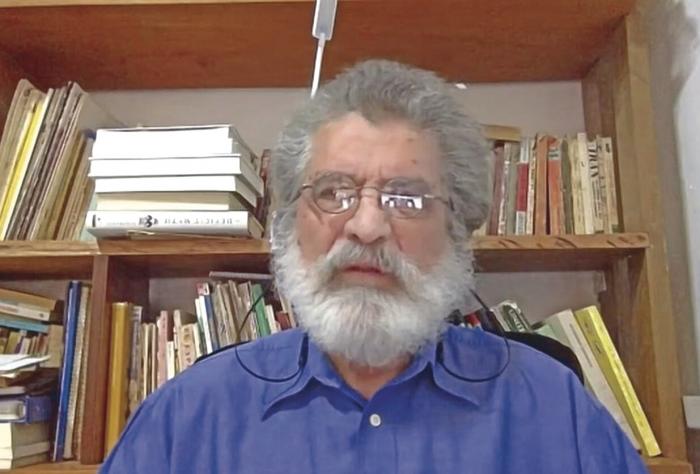
At the end of the 80s, the economist Williams Hughes presented, together with the sociologist Iván Quintero, the book “Who are the owners of Panama?”, an x-ray of the time of how economic and political power was distributed in the countryAfter 36 years of the first edition of that study, the situation has become more critical in terms of concentration, said Hughes, who was on the “Cover” of La Estrella de Panamá this Thursday.According to the professor at the University of Panama, said inequality not only widened in the post-invasion era, but was also accompanied by fiscal policies that benefited these same sectors, which would include the richest families and economic groups.To measure that, he stresses, has been applied by all governments regardless of the political party.What has the concentration of wealth meant? The contraction of taxes for the State. And what has that tax cut covered? Channel revenue, Hughes wondered.In the economist’s opinion, the funds that enter through the activity of the Canal, the main public company in the country, end up filling the gap left by the millions of dollars in taxes that “the big companies would not be paying.””The income from the Canal has been essentially to finance the subsidy to companies through the reduction of income tax,” he said.Hughes stressed that despite the fact that in Panama there is talk of “freedom from the market”, in the country private monopolies end up operating in strategic lines of the economy.“There is no free market (in Panama), prices are not set by the market, but by social actors. So if you have oligopolistic structures, you cannot leave the operation of the economy to the so-called free market, because in the end this ends up being the freedom of large corporations to do whatever they want. Including the banking sector, ”he noted.The economist believes that there must be greater social control of the economy to avoid market manipulation, such as what happens in rice production.”Acodeco has already shown that the businessman had monopolized production, part of the first-class rice had magically turned into special rice,” said Hughes, who believes that the State should intervene in oligopolistic practices, which also occur in the energy sector. food, medicine, among others.Hughes expressed his concern about a social explosion, like the one that occurred last July, given the possibility that inequality will deepen, while the quality of life of the population falls.
COVER: Williams Hughes, Thursday, March 2, 2023

No Comments